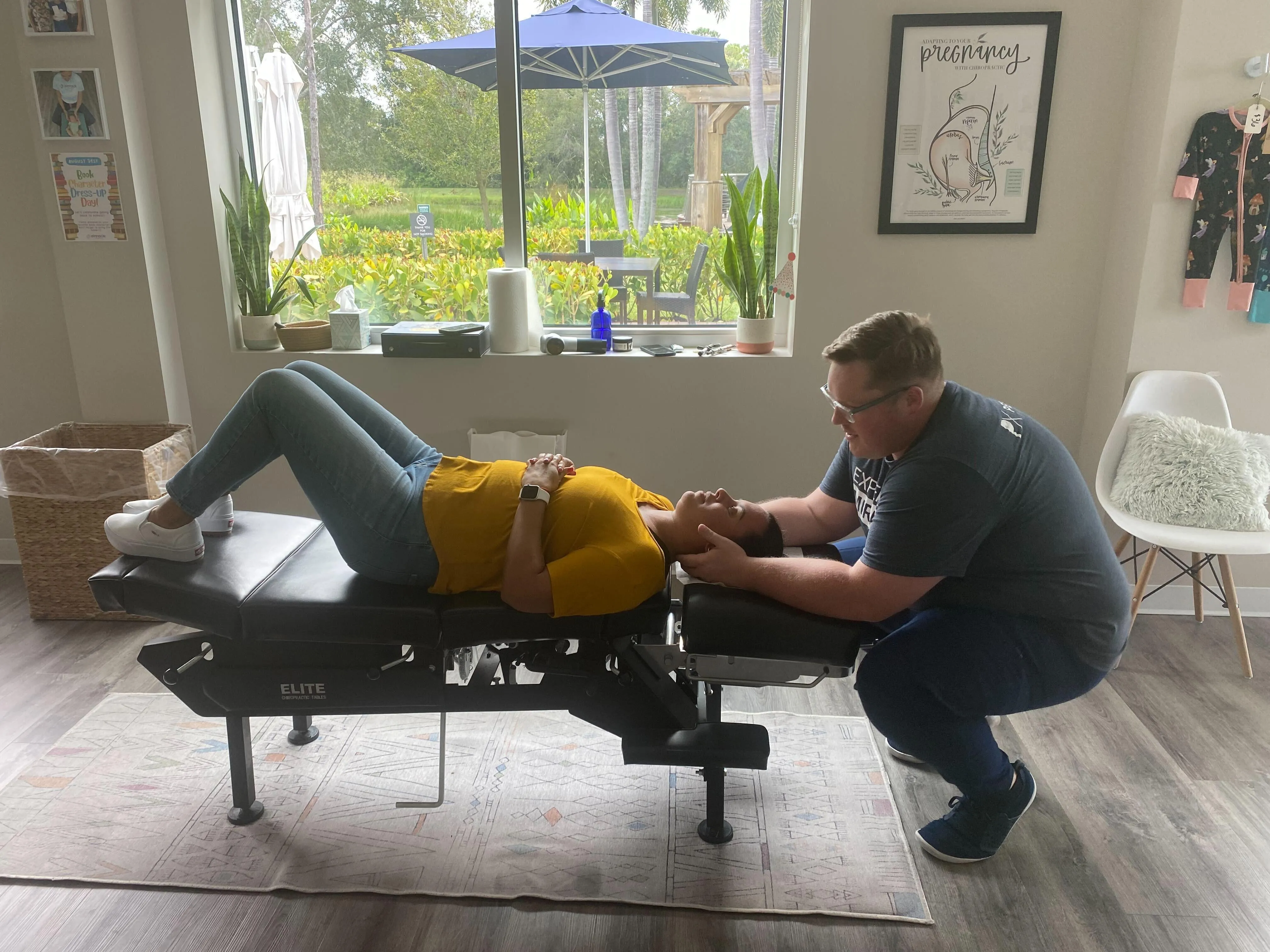
The second trimester of pregnancy, spanning from weeks 13 to 26, is often referred to as the "golden period." Many expectant mothers find this phase more comfortable compared to the first trimester as morning sickness typically subsides, and energy levels increase. However, maintaining health and wellness during this critical period is essential for both the mother and the developing baby. At Pinnacle Chiropractic, we are committed to supporting you through your pregnancy journey with these comprehensive health and wellness tips for the second trimester.
Nutritional Tips for the Second Trimester
1. Balanced Diet: Ensure your diet includes a variety of fruits, vegetables, lean proteins, whole grains, and dairy. These foods provide essential nutrients that support your baby’s growth and development.
2. Iron and Calcium Intake:Iron is crucial for preventing anemia, and calcium supports the development of your baby's bones and teeth. Include iron-rich foods like spinach, red meat, and beans, and calcium-rich foods like milk, cheese, and yogurt.
3. Hydration:Staying hydrated is vital for your health and your baby's development. Aim to drink at least 8-10 glasses of water daily.
4. Prenatal Vitamins:Continue taking prenatal vitamins to ensure you and your baby receive essential nutrients, particularly folate, iron, and DHA.
Physical Activity and Exercise
1. Regular Exercise: Engage in regular, moderate exercise such as walking, swimming, or prenatal yoga. Exercise helps improve mood, energy levels, and sleep quality, and reduces pregnancy-related discomforts.
2. Pelvic Floor Exercises:Performing pelvic floor exercises (Kegels) can help strengthen the muscles that support the bladder, uterus, and bowels, reducing the risk of incontinence and aiding in labor and delivery.
3. Listen to Your Body:Avoid high-impact activities and exercises that involve lying flat on your back after the first trimester. Always listen to your body and consult your healthcare provider before starting any new exercise regimen.
Managing Common Discomforts
1. Back Pain: As your belly grows, you may experience back pain. Maintain good posture, wear supportive shoes, and consider prenatal chiropractic care to alleviate discomfort and maintain proper alignment.
2. Leg Cramps:Leg cramps are common during pregnancy. Stretch your legs before bed, stay hydrated, and ensure you get enough calcium and magnesium in your diet.
3. Heartburn: To manage heartburn, eat smaller, more frequent meals, avoid spicy and fatty foods, and stay upright for at least an hour after eating.
4. Swelling:Reduce swelling by elevating your feet when possible, wearing comfortable shoes, and avoiding standing for long periods. Compression socks can also be beneficial.
Emotional and Mental Well-being
1. Stay Informed: Educate yourself about pregnancy, childbirth, and newborn care. Attend prenatal classes and read reputable sources to feel more prepared and confident.
2. Practice Mindfulness:Incorporate mindfulness practices such as meditation, deep breathing exercises, and prenatal yoga to reduce stress and anxiety.
3. Connect with Others:Join a support group for expectant mothers or connect with friends and family. Sharing your experiences and hearing others' can provide emotional support and reassurance.
Chiropractic Care During the Second Trimester
At Pinnacle Chiropractic, we specialize in providing gentle and effective chiropractic care for expectant mothers. Our chiropractic adjustments can help alleviate back pain, improve pelvic alignment, and support overall comfort during pregnancy. The Webster Technique, a specific chiropractic analysis and adjustment, is particularly beneficial in optimizing pelvic alignment and ensuring the baby is in the best possible position for birth.
Conclusion
The second trimester is a wonderful time to focus on your health and well-being, ensuring you and your baby are thriving. By following these health and wellness tips, you can navigate this period with confidence and ease. At Pinnacle Chiropractic, we are here to support you every step of the way. For more information or to schedule an appointment, please contact us today.